Smart Contract: Discover Its Stunning Benefits Today
Table of Contents Toggle What is a Smart Contract? Understanding the Basics How Smart Contracts Work Benefits of Smart Contracts Potential Use Cases Challenges...
In this article
What is a Smart Contract?
Smart contracts are revolutionizing the way we think about agreements and transactions. These digital protocols are designed to facilitate, verify, and enforce the terms of a contract without the need for intermediaries. But what exactly are they, and how do they work?
Understanding the Basics
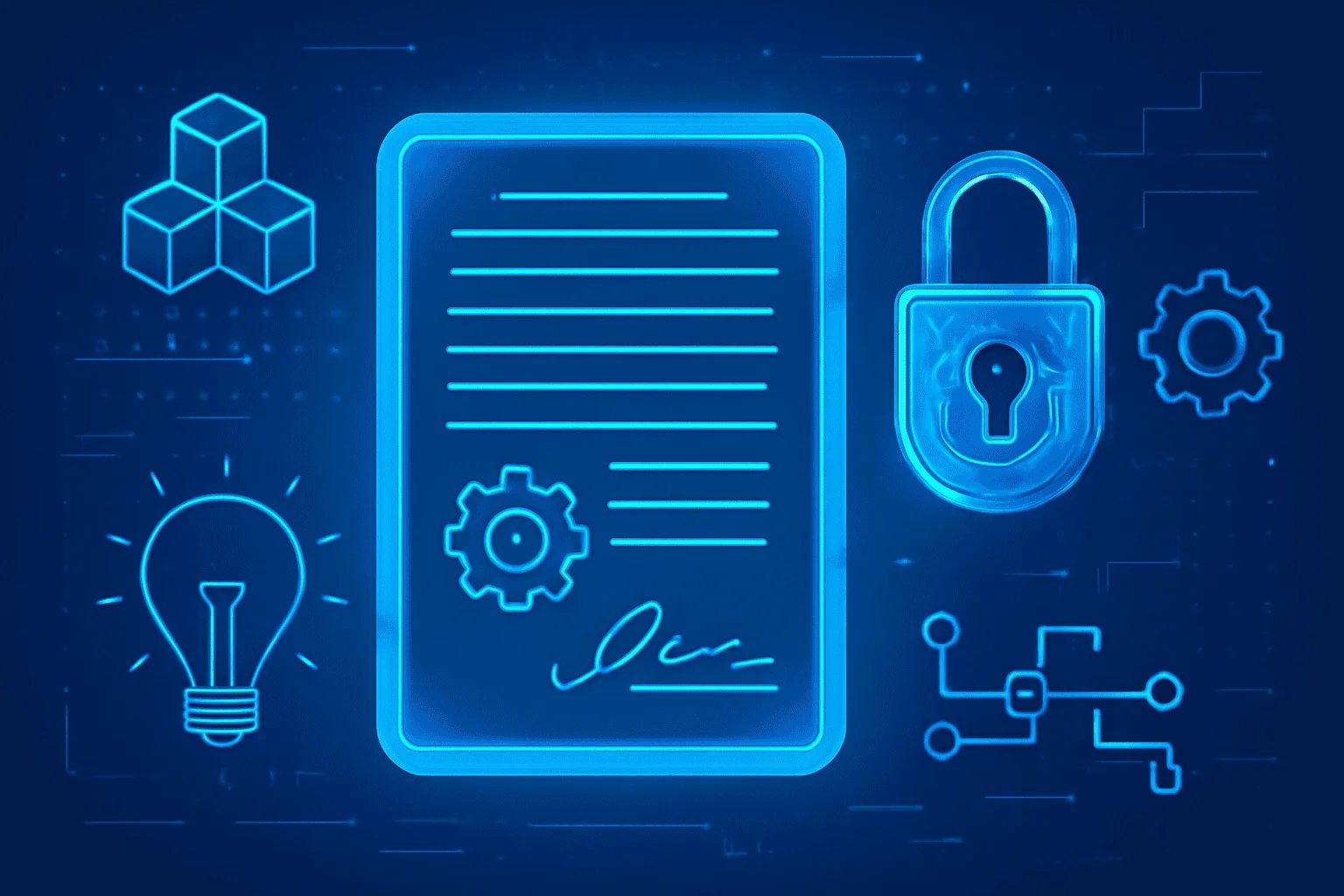
At its core, a smart contract is a self-executing contract with the terms of the agreement directly written into lines of code. These contracts exist on a blockchain, a decentralized and distributed ledger. This ensures that all transactions are transparent, traceable, and immutable.
How Smart Contracts Work
Imagine renting an apartment. Traditionally, this involves a lease, security deposit, and possibly a real estate agent. With a smart contract, the entire process can be automated. Once the tenant pays the deposit, the contract automatically grants access to the apartment. No middlemen, no delays.
- Agreement Coding: The contract terms are coded and placed on a blockchain.
- Execution: When pre-defined conditions are met, the contract executes automatically.
- Verification: The blockchain verifies the transaction, ensuring transparency and security.
Smart contracts rely on blockchain’s inherent features to ensure accuracy and trust. This eliminates the need for third-party verification, reducing costs and increasing efficiency.
Benefits of Smart Contracts
Smart contracts offer several advantages over traditional contracts. By removing intermediaries, they streamline processes and reduce costs. Here are some key benefits:
- Speed: Automated processes mean faster execution.
- Security: Cryptographic encryption ensures data protection.
- Accuracy: Reduced human error due to predefined terms.
- Trust: Decentralized verification increases reliability.
These benefits make smart contracts particularly appealing in industries like finance, real estate, and supply chain management, where efficiency and trust are paramount.
Potential Use Cases
Smart contracts are versatile and can be applied across various sectors. Here’s a glimpse into their potential applications:
| Industry | Application |
|---|---|
| Finance | Automating loan agreements and insurance claims processing. |
| Real Estate | Facilitating property sales and rental agreements. |
| Supply Chain | Tracking product shipments and verifying authenticity. |
These examples demonstrate the transformative potential of smart contracts in enhancing operational efficiency and transparency.
Challenges and Considerations
While smart contracts offer numerous benefits, they aren’t without challenges. The technology is still evolving, and legal recognition varies by jurisdiction. Additionally, coding errors can lead to vulnerabilities, as seen in high-profile blockchain breaches.
To mitigate these risks, rigorous testing and auditing are crucial. Collaborations between technologists and legal experts can also ensure that smart contracts are both technically sound and legally compliant.
The Future of Smart Contracts
As blockchain technology continues to mature, the adoption of smart contracts is expected to grow. They hold the promise of reshaping industries by making transactions more efficient and secure. For businesses and individuals alike, understanding and leveraging smart contracts could unlock new opportunities.
In conclusion, smart contracts are more than just a technological trend. They represent a fundamental shift in how agreements are executed and verified, offering a glimpse into a future where transactions are as seamless as they are secure.